
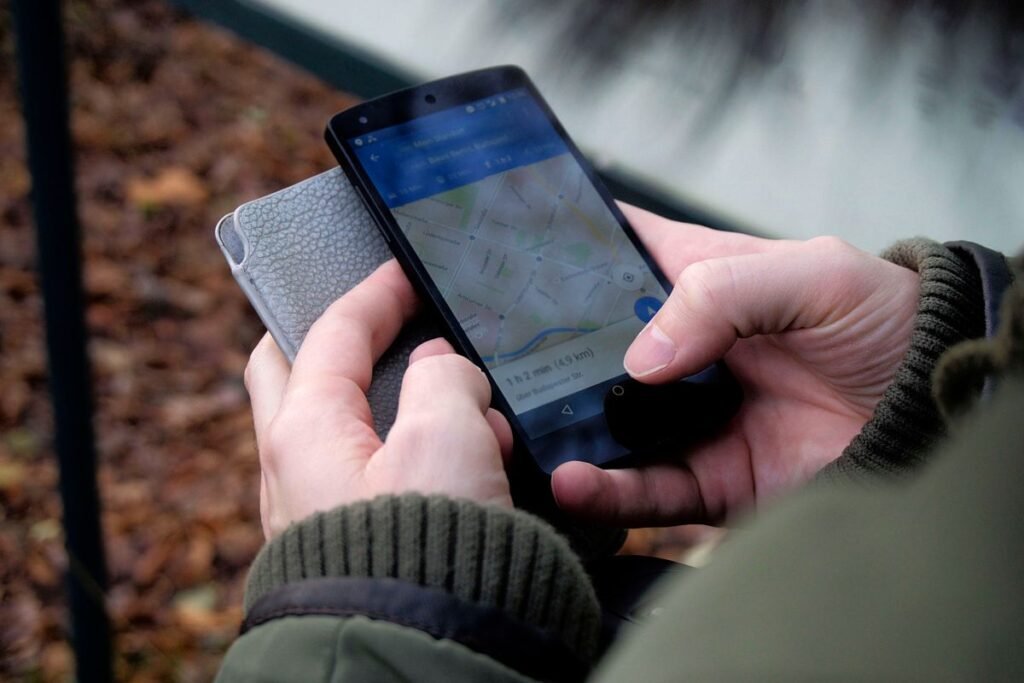
Local SEO Services — How to Rank in Google Maps in 2026
A local business owner told me last week what I hear almost every month: “Alamin, my website looks fine, but when someone searches for my service near me, my competitor shows up on Google Maps and I do not.” That is the problem local SEO solves — being the business Google shows first when a real customer, a few streets away, searches for what you sell and is ready to call, visit, or book.
I have spent seven years in SEO, Google Ads, Facebook Ads, Web Analytics, and Conversion Tracking. One lesson stands out: for a local business, the Google Maps 3-pack is often worth more than ranking first below it. The map result gets the click, the call, and the direction request.
In this guide I will show you how I approach local SEO in 2026: your profile, reviews, citations, local pages, local links, and your monthly routine.
Want me to do this for your business? Request a free quote — and I will audit your Google Business Profile and local visibility first. My price is always quote on enquiry — the exact price after a free audit.
What Is Local SEO, Really?
Local SEO makes your business visible when people search for a service in a specific place — “plumber near me” or “best dentist in London.” Google shows a map, a short list of businesses, reviews, hours, and directions before normal websites.
Google ranks that map list mainly on relevance, distance, and prominence: do you offer what was searched for, how close you are, and how well-known and trusted you are online — reviews, citations, links, photos, and real activity.
Traditional SEO might target a whole country. Local SEO targets a city and the streets around your business — just the five or ten near you that want the same customer.
My Framework: 6 Parts
Google Maps ranking comes from several small things done consistently, not one secret setting. Here is the system I use for every local client:
1. Google Business Profile — complete, verified, and active.
2. Reviews — earned steadily, replied to, never faked.
3. Citations and NAP — name, address, and phone identical everywhere.
4. Local pages — one real page per service and city, never copied.
5. Local links — mentions from real local websites.
6. Monthly routine — posts, photos, checks, and small fixes.
If one part is missing, the others work much harder.
Step 1: Optimise Your Google Business Profile
Your Google Business Profile (GBP) is the most important asset in local SEO. It is free, it appears on Google Maps, and it is what customers judge you on before they visit your website.
Pro tip: First, search your business name and open your profile as a customer would. Note every gap — missing hours, no photos, wrong category. Claim and verify the profile, usually by video, phone, or postcard. Do not create a second profile for the same business; duplicates split your reviews.
Choose the right primary category — the strongest relevance signal you control. Pick the category that describes your main service most precisely, not the broadest one. Add secondary categories only for services you genuinely offer.
Write a complete, honest description using your full 750 characters. In the first two sentences, say what you do, who you help, and where. Mention your main service and city naturally, once, then add what makes you different, if true.
Fill in every field: services, hours, attributes, and service area. Set real opening hours, including holidays, and update them when they change. Wrong hours lose trust fast. Add real photos and a short video every month — one honest photo of your real entrance beats ten stock images. Finally, post at least once a week, answer the Q&A section yourself, and reply quickly if you turn on messaging.

Step 2: Reviews — Earn Them Honestly
Reviews influence whether Google trusts you, whether you rank in the 3-pack, and whether a customer chooses you. Let me be direct: never buy fake reviews, never pay for reviews, and never ask staff or friends to pose as customers. Google removes fake reviews and can suspend your profile. One honest 4.7-star profile built over a year beats a sudden 5.0-star profile with ten reviews posted on the same day.
Ask at the right moment: just after a job is finished or a customer says they are happy. Send a short message with your direct Google review link — not your homepage. Thank them, ask for a short review if they have a minute, and say it helps other local customers find you. Do not offer a discount or gift for a review, and do not ask only happy customers. That is review gating, and Google forbids it.
Reply to every review within a few days. Thank positive reviewers by name and mention the service they used. For a negative review, stay calm, apologise briefly, and invite them to contact you directly. Aim for two to five genuine new reviews a month, steadily, for three to six months.

Step 3: Citations and NAP Consistency
A citation is any mention of your business name, address, and phone number (NAP) on another website. Google uses citations to confirm your business is real and located where you say it is.
The rule is simple: your NAP must be identical everywhere. If your profile says “123 High Street, London” and a directory says “123 High St, London,” Google sees two different businesses. Small differences add up.
Start with a spreadsheet listing your exact name, address, city, postcode, phone, and website exactly as on your GBP. That is your master version. Search your business name and phone number and list every directory where you appear. Fix the important ones first: Google, Bing Places, Apple Maps, Facebook, Yelp, and the main directories in your country — in the UK, Yell and trade directories. Remove duplicates, and update old listings if you moved.
Pro tip: Use one phone number for local listings — the number customers actually call. A different tracking number on every directory creates the NAP confusion you are trying to fix.
Step 4: Local Pages — One Real Page Per Service and City
Your website still matters for Google Maps. Google uses it to confirm what you do and where you do it. The mistake I see most often is the copied city page: 20 pages with only the city name changed. Google recognises this thin, doorway-style content, and it rarely ranks. It can weaken the whole site.
Build one real page per service and city you genuinely serve, and make each page genuinely different. Start with a clear heading, for example “Emergency Plumber in London.” Add the services offered there, the neighbourhoods covered, local information that proves you know the area, real photos from jobs there, a local testimonial naming the area, and a clear call to action.
A page about working as an SEO expert in London — link to /seo-expert-in-london/ — should talk about London businesses and London search behaviour, not generic text used for every city. That is the standard I apply to my own site, including my best SEO expert in UK page. Add LocalBusiness schema and an embedded Google Map on contact and location pages.
Not sure which local pages you need? My monthly SEO service — includes local page planning, profile management, and a monthly routine. See the monthly SEO service.
Step 5: Local Links and Mentions
Local links matter more than random links from unrelated websites. One link from a real local newspaper, community organisation, or supplier is often worth more than ten links from generic directories.
Start with legitimate ones: your chamber of commerce, trade association, and suppliers’ “partners” pages. Then sponsor a local team or school event, speak at a local event, or offer a free workshop. Create something worth linking to, such as a free local guide, and offer a short expert quote to a local journalist. Avoid buying links from link farms — they can trigger a penalty that takes months to clean up.
Step 6: The Monthly Routine
Local SEO is not a one-time setup. Google rewards businesses that stay active and accurate. Here is the routine I run for local clients:
- Week 1: Check profile insights — calls, direction requests, and clicks. Fix wrong information, add four photos, and publish two posts.
- Week 2: Reply to new reviews, send review requests to recent happy customers, and answer new Q&A questions.
- Week 3: Update profile, website, and directories together if hours or services changed. Publish or update one local page.
- Week 4: Check rankings and competitors. Who is in the 3-pack now? Note one improvement for next month.
Most businesses lose their map ranking because they stopped posting and asking for reviews for three months — and the competitor did not stop.
What Matters Most
Use this table to prioritise.
| Factor | Impact | Difficulty | Time to effect |
|---|---|---|---|
| Profile completeness | Very high | Easy | 1–4 weeks |
| Reviews | Very high | Medium | 1–3 months |
| Primary category | High | Easy | 1–3 weeks |
| NAP and citations | High | Medium | 1–2 months |
| Local pages | High | Medium | 1–3 months |
| Photos and posts | Medium–high | Easy | 2–6 weeks |
| Local links | Medium–high | Hard | 2–6 months |
| Site speed and mobile | Medium | Medium | 2–4 weeks |
Start with your profile, category, and reviews — the fastest return. Then fix citations and build one strong local page.
A Worked Example
Here is how this framework works in practice — an example approach, not a real client, and not a promise of specific results. Imagine a small dental practice in London, ranked 7th on Google Maps, with 18 reviews and a 4.3-star rating.
Month 1 — Foundation. Complete the profile: correct category (“Dentist”), add services, hours, and 15 real photos, and publish the first posts. Audit NAP and fix the top 10 directories. Set up a review request at checkout.
Month 2 — Trust and content. Focus on steady weekly reviews and reply to every one. Build one strong local page with real photos, local information, and a booking call to action. Add LocalBusiness schema and an embedded map.
Month 3 — Stay active. Keep posting weekly, add fresh photos, and seek one local link, such as a local health directory. Review insights to see which searches bring calls, and adjust around what works.
The practice would not jump to number one overnight — no honest local SEO does that. It would, however, have a complete profile, growing reviews, consistent citations, and a real local page: the four things that, in my experience, move a business into the 3-pack. For the same approach, see my services — or request a free quote.
How Long Does Local SEO Take?
In a low-competition area — a small town or niche service — you can often see clear movement within 1 to 3 months, if your profile is complete, reviews are growing, and citations are clean.
In a competitive city like London, expect 3 to 6 months for meaningful, stable movement — London has more competitors, more reviews, and more active profiles.
What slows it down? An unverified profile, a wrong address, duplicate listings, and long gaps with no posts or photos. Do not trust anyone who promises number one in seven days — that usually means spam or fake reviews, and Google removes those gains fast.
Mistakes to Avoid
1. Keyword-stuffing your business name. Adding “Best Plumber London Cheap Emergency” breaks Google’s guidelines and can suspend your profile. Use your real name.
2. Fake locations or virtual offices. Google verifies locations; a fake address will be removed and can damage your profile.
3. Copying city pages. Changing only the city name on 20 pages does not work. Build fewer, better pages.
4. Ignoring negative reviews. An unanswered bad review sits on your profile for every future customer.
5. Setting up once and forgetting it. A profile perfect in January and untouched in June will lose ground to a competitor posting weekly.
FAQ
1. How do I rank higher on Google Maps? Complete and verify your profile, choose the right category, add services and real photos, earn genuine reviews and reply to them, keep your NAP identical everywhere, build a real local page, and post weekly. No single trick works — ranking comes from all of these together.
2. How long does it take? In a low-competition area, 1 to 3 months is realistic. In a competitive city like London, allow 3 to 6 months. The exact time depends on your starting point, competition, and consistency.
3. Can I rank without a website? You can appear with only a profile, but ranking well without a website is much harder. Google uses your website to confirm your services and location. A simple, fast site with a local page and LocalBusiness schema helps.
4. Do reviews affect ranking? Yes. Google looks at review numbers, recency, star rating, and whether you reply. Customers look at the same things. Never buy fake reviews — earn them from real customers and reply to every one.
5. What are citations, and do I still need them in 2026? A citation is a mention of your name, address, and phone on another website, such as a directory. Yes, you still need them — they help Google confirm your business is real and located where you say it is.
6. Should I create a page for every city I serve? Only if you genuinely serve that city and can write a real, different page for it — with local photos, services, information, and a testimonial. One strong local page beats ten copied pages Google will ignore.
7. How much does local SEO cost? It depends on your city, competition, and the work needed. Some businesses do the basics themselves for free using this guide. My price is always quote on enquiry — the exact price after a free audit.
8. What should I do first this week? Complete your Google Business Profile: verify it, choose the right category, add services, hours, and ten real photos, and publish your first post. Then send a review request to your five most recent happy customers.
Summary: Your Action Plan
Google Maps rewards businesses that are complete, consistent, trusted, and active. This week, claim and complete your profile, fix your category, and add real photos. This month, set up a review system, audit your NAP, and build one real local page. Every month after that, post weekly, add photos, reply to reviews, and check your insights. In 1 to 3 months in a low-competition area, and 3 to 6 months in London, that routine moves a business into the 3-pack.
Ready to rank in Google Maps? Request a free quote — for a free audit, or contact me — to discuss your business. My price is quote on enquiry — exact price after a free audit.
About the Author
MD Alamin is a digital marketer with 7 years of experience in SEO, Google Ads, Facebook Ads, Web Analytics, and Conversion Tracking. He helps local and international businesses grow through practical, honest SEO. Learn more on MD Alamin Pro — link to / — or contact him.